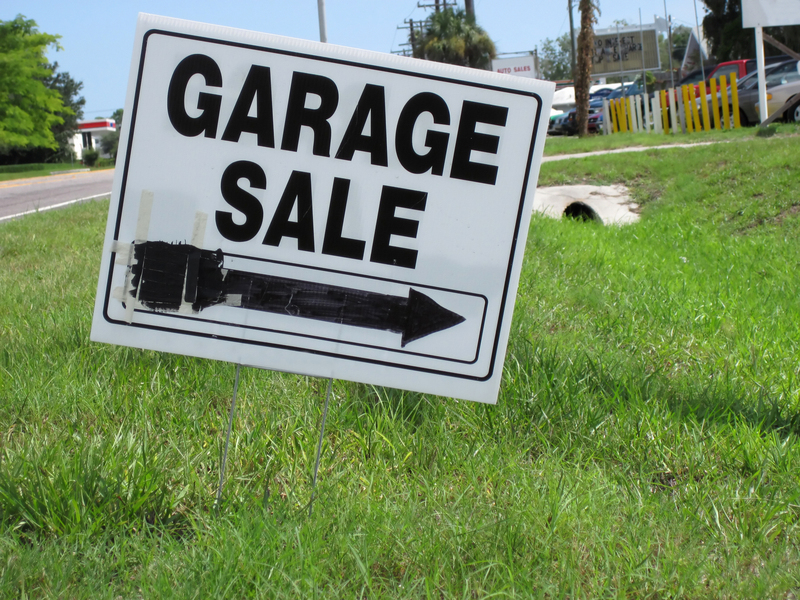
Business Waste Removal in Leyton
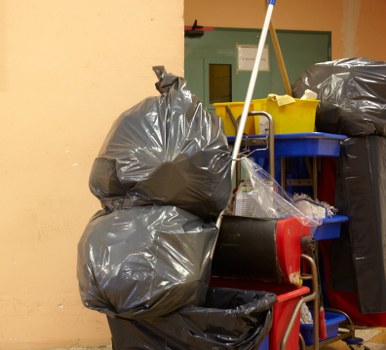
Business waste removal in Leyton needs a service that is organised, practical and suited to the way local premises actually operate. We clear commercial rubbish from offices, shops, workshops, hospitality spaces and other workplaces, with a focus on keeping collections orderly and making the process straightforward for managers, landlords and trades. The aim is simple: remove unwanted waste efficiently, sort it properly and leave the premises ready for use again.
Our work covers mixed business rubbish as well as more specific streams that need separate handling, such as office furniture, packaging, redundant stock, appliances and confidential paper. Where items need extra care, we separate them for the appropriate route rather than treating everything as one load. That matters for responsible disposal, for clearer planning and for avoiding unnecessary disruption to your day.
If you are comparing options, start with the type of waste, the access available and the amount to be removed. Those details make it easier to plan a collection that fits the property and the schedule. If you already know what needs clearing, you can request a quotation once you have reviewed the service details below.
Commercial waste clearance for everyday business premises
For many customers, the main need is a flexible clearance for items that build up over time: packaging, broken stock, old fittings, display materials, archive boxes and general rubbish from a busy site. Business waste clearance in Leyton is often about balancing tidiness with continuity, so the work has to be carried out with care around entrances, staff areas and shared access points. We keep the focus on usable space, sensible sorting and a clean finish rather than simply shifting a pile of waste out of sight.
Where the load includes mixed materials, a proper clear-out usually works best when items are separated into sensible groups. That may include cardboard and packaging, reusable metal, timber, plastics, small electricals and general residual waste. Separation helps the collection remain orderly and can support better handling at the next stage. If you are unsure what is included, a short description of the waste is often enough to begin shaping the job.
What this type of clearance can include
A typical commercial clearance might involve office chairs, shelving, filing cabinets, boxed stock, shop fittings or the contents of an unwanted storeroom. It can also include routine waste from refurbishments or changes to layout, provided the materials are suitable for collection and not restricted by specialist disposal rules. The right approach depends on volume, weight and access, so the service is planned around the site rather than forcing the site to fit the service.
Office waste removal and furniture clearance

Office waste removal often needs a careful approach because furniture, paper waste and electronic items may all be present in the same workspace. Desks, chairs, cabinets, monitors, printers and boxed archive material can usually be removed together if they are correctly identified and staged. We handle office clearance in a way that keeps the job practical for active workplaces, smaller suites and spaces that are being emptied between occupants.
Furniture clearance is especially useful when workspaces are being reconfigured or when bulky pieces are no longer needed. Large items can take more planning than loose rubbish, so the collection needs to consider doorways, stairs, lifts and shared corridors. In some cases, a staged removal is more sensible than a single sweep, particularly where access is tight or the items are spread across different rooms. A well-planned clearance reduces unnecessary handling and keeps the work moving smoothly.
Before a visit, it helps to note what must go, what must stay and where the waste is located. A clear list is more useful than a general request, because it helps define the amount of labour and the right vehicle capacity. If paperwork is among the items, it should be separated in advance from general office rubbish so that it can be handled through the appropriate route. For further detail, see the relevant service pages or send a request for a quotation.
Specialist disposal for appliances, mattresses and sofas
Some waste streams need more than simple loading and transport. Fridges, freezers, mattress items and sofa disposal all call for handling that recognises their size, material mix and processing requirements. Appliance removal is often about safely moving heavy domestic or commercial units from a property without damaging walls, floors or nearby fixtures. Where electrical items are involved, they are kept separate from loose rubbish so they can be dealt with correctly.
Mattress and sofa disposal can also be awkward because of bulk, fabric, springs and foam. These items may dominate a clearance even when the rest of the load is modest, so the collection has to be planned with their dimensions in mind. The same applies when a business needs old seating or bedroom-style furniture removed from staff accommodation, rented rooms or managed premises. The service is designed to make those larger items easier to take away without turning the job into a long disruption.
When specialist removal is the better option
Specialist disposal is usually the better choice when the waste is too large for general handling, too heavy to carry safely without preparation, or made from components that benefit from dedicated treatment. That can include refrigeration units, upholstered furniture, mixed-material beds or items that have become awkward to move because of age or damage. In each case, the point is to keep the work safe and practical while ensuring the waste enters the right disposal route.
Garage, loft and home clearance for mixed contents

Although the main focus here is business waste removal, some customers also need clearance for back rooms, storage areas, domestic-style premises or properties held by landlords and agents. Garage clearance, loft clearance and home clearance can involve a wide mix of items: old furniture, boxes, broken equipment, seasonal stock and general clutter that has built up out of use. When the contents are varied, it helps to treat the job as a planned clearance rather than a simple load-and-go task.
Lofts and garages often contain a combination of light and awkward items, so access becomes just as important as volume. Narrow stairs, low beams and reduced headroom can affect how the job is completed, and those practical points should be understood before the collection starts. If anything is being kept back, it is useful to separate it clearly from the waste so that nothing useful is removed by mistake. For larger or mixed domestic clearances, organisation matters as much as lifting capacity.
Customers often find it helpful to think in categories: furniture, boxed contents, loose rubbish, appliances and any items that may need separate handling. That kind of simple structure makes it easier to prepare a quotation and helps avoid confusion on the day. If your property includes a mixture of domestic and commercial waste, the service can still be planned around the load rather than the label on the building.
Builders waste, garden waste and renovation debris
Building work and property improvements produce a different kind of waste from standard office or shop clearance. Builders waste clearance may include offcuts, broken plasterboard, timber, packaging, fixtures, old fittings and rubble from light renovation. The collection needs to take account of material weight and whether the waste can be handled as a mixed load or should be divided for proper processing. That is why renovation debris is best described clearly before collection rather than simply marked as “general wasteâ€.
Garden clearance is similar in one respect: it often contains a mix of organic and non-organic material that should not be treated as a single stream. Cuttings, branches, soil-contaminated material, planters, broken outdoor furniture and garden waste bags may all be present together. The best approach depends on volume and on the exact contents, especially if the site has limited access or the waste is spread across different areas. A clear description supports a more accurate and efficient service.
- Provide the main waste type first, then list any bulky items separately.
- Note whether the load is indoors, outdoors or spread across several rooms.
- Say if lifting involves stairs, a lift, a yard or shared access.
- Highlight any items that may need separate treatment, such as electricals.
About Leyton
Leyton is an area in the London Borough of Waltham Forest, positioned in East London between Stratford and Walthamstow, and linked closely to the wider Lea Valley landscape. Its modern character reflects a long transition from rural settlement to suburban district and then to a densely built part of the capital with strong transport links. The growth of housing and industry in the nineteenth and twentieth centuries left a varied street pattern that still mixes terraces, estates, local shopping parades and industrial premises. That blend gives the area a layered feel, with ordinary residential streets sitting alongside busier commercial corridors and former manufacturing land that has been repurposed over time. Leyton Mills and the areas around Leyton High Road form part of this more working urban texture, while the nearby route of the River Lea and associated open spaces help soften the built environment. One of the best-known landmarks is the Queen Elizabeth Olympic Park just to the west, a major modern addition to the wider district after the 2012 Games. The area is also served by Leyton Underground station on the Central line, a connection that has shaped its role within east London for many decades. Local life includes everyday shopping, schools, places of worship, sports facilities and community spaces, with the streets around the High Road and side roads showing the mix of housing types that developed as the district expanded. Over time, Leyton has kept a practical character rather than becoming a single-purpose centre, and that variety is visible in its architecture, land use and movement patterns today.
Practical preparation before collection
To arrange a quotation, it usually helps to prepare a simple description of the waste and the site. You do not need a long inventory, but it is useful to know whether the load is mostly furniture, office rubbish, packaging, appliances or mixed clearance material. If possible, note how the waste is arranged and whether there are any access issues such as stairs, narrow corridors, parking restrictions or shared entrances. Those details support a more reliable estimate and reduce the chance of surprises when the job begins.
Photos can also help when they show the full amount of waste clearly and from more than one angle. They are most useful when they include the items themselves, any bulky pieces and the route the team would need to use to remove them. If the job contains items that should stay in place, make that obvious in the description or the images. Clear information at the start makes the quotation stage more straightforward and allows the collection to be planned in a way that suits the property.
How quotations are usually shaped
Waste removal quotations are generally influenced by the amount of material, the kind of items involved, the time needed to load them and the practical access at the site. Mixed loads may take longer than single-type waste, and bulky items often require more handling even when the overall volume looks modest. If a collection involves items that need separation, that can also affect the way the job is planned. The aim is to match the service to the waste, not force the waste into a one-size-fits-all process.
Recycling, sorting and compliant disposal

Commercial waste removal is not only about lifting and transport; it is also about deciding what can be reused, recycled or sent for the appropriate disposal route. Recycling and sustainability matter most when a load contains materials that can be separated with care, such as metals, cardboard, office paper, appliances and selected plastics. The more clearly a load is identified, the more practical it is to direct items to the right stream rather than mixing everything together.
Some items need specific handling because of their material content or their condition. Confidential shredding, hazardous waste disposal and similar specialist services should only be used where the waste genuinely calls for them, and they are best discussed in advance rather than assumed. For ordinary business rubbish, the priority remains safe collection and sensible sorting. If you have a mixed load that includes unusual items, mention those separately so that the collection can be planned correctly.
If you need business waste removal in Leyton, use the service pages to review the relevant collection type and then request a quotation. For a smaller enquiry, a plain text note is also fine: tell us what needs removing, where it is located and when access is possible. Contact us when you are ready to discuss the job and arrange the next step.
Further service options and useful information
Different properties call for different kinds of clearance, which is why it helps to keep the main service pages distinct. A flat clearance may suit an apartment or managed residence, while a garage or loft clearance deals with enclosed storage and a wider variety of household items. Office clearance and furniture disposal are more relevant when the emphasis is on working premises, fixtures and bulky items that must be removed without causing avoidable disruption. Choosing the right page makes the enquiry more accurate.
There is also useful supporting information if your load involves larger pieces or different disposal categories. For example, the price and quotes page can help set expectations for how a quotation is formed, while the about page gives more background on the company. If you are preparing waste for collection, the pages covering health and safety, insurance and safety, and what can go in a skip may help you decide how to describe the load clearly, even when the job itself is handled as a removal rather than a skip hire arrangement. Pricing and quotes is a sensible place to begin if you want to understand how a quotation is built.
For a final step, keep your description brief but specific: list the type of waste, the main items, the access details and any separate materials that should not be combined. Then request a quotation in plain English and wait for confirmation. If you would rather talk through the job first, the relevant service page can guide you to the best option. Business waste removal remains the most direct starting point for a commercial collection enquiry.